Sweet vs Sour Cherries: Which Cherry Varieties Suit UK Gardens?
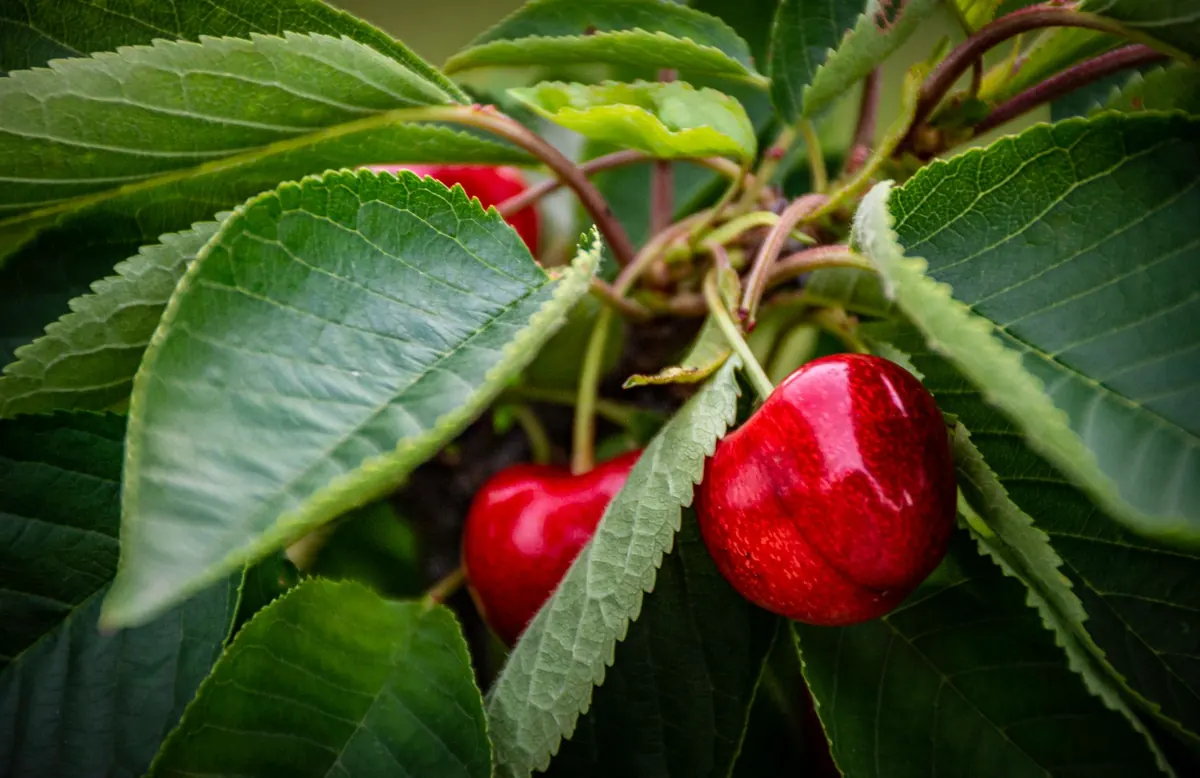
Home-grown cherries feel like a proper event. But the gap between a sun-warmed 'Stella' eaten straight from the tree and a pan of Morello jam bubbling on the hob is wider than most catalogues admit. Sweet and sour cherries are different plants with different habits, different pollination rules and very different opinions about how much room they need. Match the tree to your garden and you will be picking fruit for twenty years.
Sweet cherries (Prunus avium) and sour cherries (Prunus cerasus) share a genus and little else. Sweet cherries flower early, crop mainly on two- and three-year-old wood, want sun and sharp drainage, and usually need a second tree nearby to set fruit. Sour cherries flower a fortnight later, are mostly self-fertile, shrug off colder and wetter conditions, and crop heavily while still young.
There are hybrids in between — duke cherries such as 'May Duke' — but they tend to be fussy and are rarely the best use of a sunny wall.
Before you think about varieties, think about where the tree will live. Sweet cherries want your sunniest, most sheltered spot: a south- or west-facing wall, a warm corner, the sunniest end of the plot. Sun ripens the fruit and builds sugar; shelter protects blossom from wind and stops branches whipping and bruising the crop. Drainage matters just as much, because cherry roots hate sitting in water over winter. On heavy clay, plant on a slight mound or in a raised bed rather than digging a hole and hoping.
Frost is the other consideration. Sweet cherries flower in April, sometimes earlier, and a late frost can wipe out a crop in a single night. If your garden sits in a hollow where cold air pools, choose a later-flowering variety or grow the tree as a fan against a wall, where the masonry releases stored warmth.
Self-fertile varieties will crop on their own, which is what most small gardens need. The classics are still the best place to start.
Almost all sweet cherries are self-sterile and need a partner that flowers at the same time. Suppliers label trees by flowering group, but the numbering systems vary between nurseries, so read the label on the actual tree rather than trusting a chart you found online. 'Van' and 'Merton Glory' are useful pollinators for a range of mid-season varieties. The late, high-quality sorts such as 'Kordia' and 'Regina' need a partner flowering late alongside them, so buy them as a pair or not at all.
Ornamental cherries are not a substitute. They may look the part in spring, but they will not pollinate a fruiting variety.
If your garden is small, shaded, cold or simply not that sunny, sour cherries make far more sense. The standard is 'Morello': self-fertile, late flowering, and tolerant of shade in a way few fruit trees are. It will genuinely crop on a north-facing wall, which makes it useful in places where almost nothing else fruits. The fruit is dark, sharp and juicy, and it is picked in late July and August.
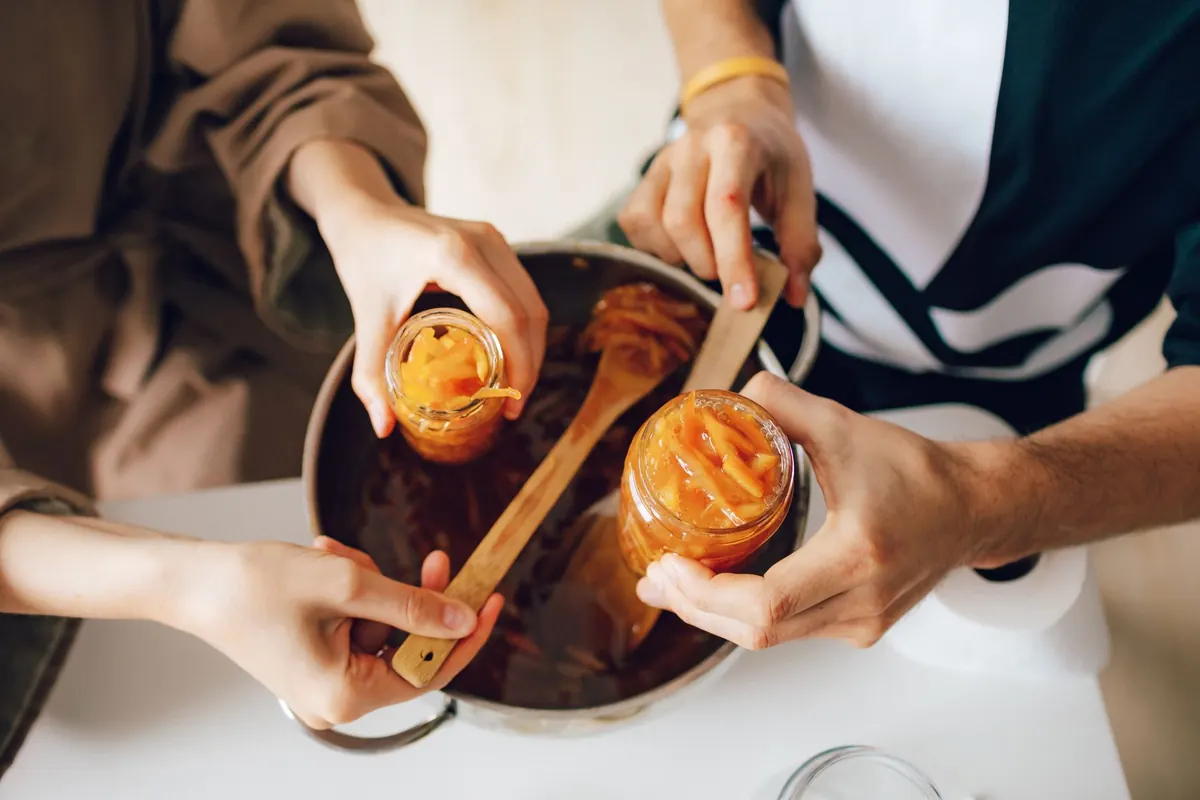
'Montmorency' is the other one to look for: brighter red, more acidic, self-fertile, and the classic pie cherry. Sour cherries crop young and heavily, so one bush is usually plenty for a family. Most of the crop goes into jam, pies and clafoutis; for jam, pick a few fruits slightly under-ripe, as they set better.
On cherries, the rootstock matters more than the variety when it comes to size. Ask what the tree is grafted onto before you buy, because a sweet cherry on the wrong rootstock will outgrow a small garden within a decade.
As a rough guide, allow 3–4m between bushes on Gisela 5 and 5–6m on Colt. A wall-trained fan needs 4–5m of wall and
Photo: Paweł ... / Pexels