How to Grow Strawberries in Pots: A UK Month-by-Month Guide
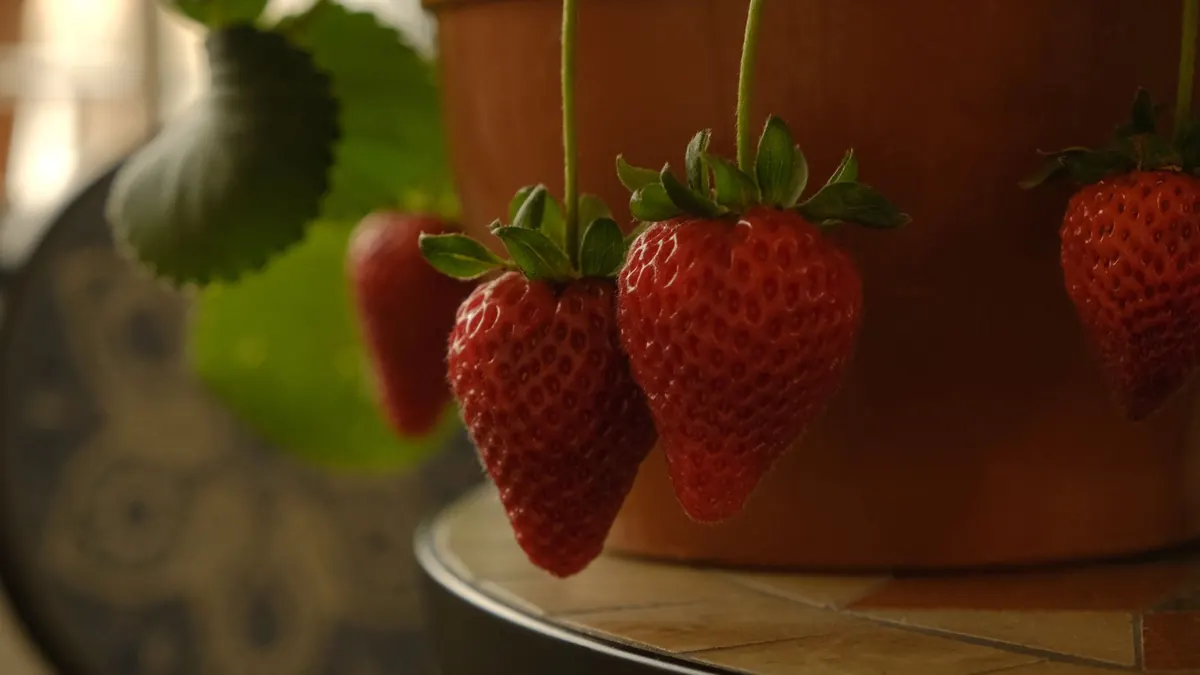
Strawberries are one of the most rewarding fruits for a small garden. They crop quickly, take up little room, and a well-tended pot can give you handfuls of warm, fragrant berries from early summer into autumn. The catch is that pots dry out faster, compost runs out of nutrients, and plants left in the same spot year after year start to sulk. A simple monthly routine keeps them productive.
Start with size and drainage. A 30cm pot holds two or three strawberry plants comfortably; a 40cm pot takes four or five. If you use a strawberry planter with pockets, plant fewer than the pockets suggest—those pockets dry out fast and crowd roots. Each plant needs roughly four to five litres of compost to crop well.
Loam holds moisture without turning to sludge, which matters in a pot. Avoid old compost from tomatoes, potatoes, peppers or aubergines, as these can carry verticillium wilt, which also affects strawberries.
Strawberries fall into three useful groups for pots. June-bearers give one heavy crop in early summer. Look for 'Cambridge Favourite', 'Honeoye' or 'Elsanta'. Everbearers, sometimes called perpetuals, produce smaller crops from June through to September. 'Albion' and 'Mara des Bois' are good choices. Alpines such as 'Alexandria' and 'Mignonette' are tiny, intensely flavoured and rarely produce runners, so they suit small pots.
Plant a mix if you have room. A few June-bearers give you fruit for jam and freezing, while everbearers keep fresh berries coming for weeks. Buy certified disease-free runners or young plants from a reputable supplier. Cheap, unnamed plants often carry virus and crop poorly.
Check overwintered pots. Remove dead or mouldy leaves. Make sure drainage holes are clear and pots are not sitting in water. Order new runners or plants now for spring delivery. Wash empty pots with warm soapy water and rinse well.
If the weather is mild and the compost is workable, pot up bare-root crowns. Soak the roots for an hour before planting. Set the crown—the point where leaves emerge—at compost level, never buried. Move pots to a sunny, sheltered spot. Keep fleece handy for cold nights.
Plant any remaining crowns. Top-dress established pots with two to three centimetres of fresh compost. Start watering when you see new growth, but go easy. Give a balanced liquid feed at half strength once leaves are growing actively.
Flowers begin to form. Protect open blooms from frost with fleece or a cloche. Water regularly so compost stays moist but not soggy. Switch to a high-potash feed, such as tomato feed, every ten to fourteen days. If plants are under cover, tap the flowers at midday to help pollination.
Flowering and early fruit. Keep moisture consistent; uneven watering leads to small, misshapen berries. Tuck straw or small bark chips under the fruit to keep it clean. Net against birds. Pinch off runners unless you want new plants.
Main harvest for June-bearers. Pick every day or two, and remove any mouldy fruit immediately. After June-bearers finish cropping, cut old leaves back to about ten centimetres and give a balanced feed. Everbearers carry on—keep feeding and watering.
Harvest everbearers as they ripen. Water daily in hot spells. Watch for aphids, slugs and grey mould. Remove affected leaves and fruit. Keep pots raised off the ground to reduce slug damage.
Propagate runners if you want new plants. Peg small plantlets into pots of compost and sever them from the parent once rooted. Renovate June-bearers by clearing old foliage. Reduce feeding for plants you plan to overwinter.
This is the best month to plant new strawberries. Pot up rooted runners and move pots to their final positions. Water less as growth slows, but do not let compost dry out completely.
Roots establish while the soil is still warm. Clear fallen leaves and any remaining fruit. Check drainage and remove saucers. Move pots to a sheltered spot if you have one.
Prepare for winter. Raise pots on feet, remove dead leaves and tidy the crown. In most UK gardens, pots can stay outside, but avoid waterlogging. A cold frame or unheated greenhouse is useful in wet, exposed sites.
Check pots monthly. Water sparingly only if compost is dry. Plan your rotation for next year and order fresh plants if your current ones are more than three years old.
Feeding is simple: balanced liquid feed in spring, high-potash feed from flowering until cropping ends. Stop when plants are dormant. Overfeeding nitrogen gives lush leaves and few berries. Water at the base in the morning, aiming for moist compost rather than wet leaves. In summer, a pot may need water every day; in winter, once a month may be enough.
Strawberries build up pests and diseases in old compost. Do not keep them in the same compost for more than two or three years. Replace plants every three years, or sooner if crops decline. In a small garden, rotate pots around the patio: move strawberries to a spot where salads, herbs or beans grew last year. If a plant shows virus symptoms—yellowed, crinkled leaves or stunted growth—bin it rather than compost it.
Use fresh compost when you replant. If you keep the same pots, scrub them well. A simple three-pot rotation works: year one strawberries, year two move them to a new position and grow something else in the old spot, year three move them again. Labels help you remember what grew where.
Harvest little and often. The more you pick, the more flowers the plant produces. Remove runners unless you need new plants, and keep fruit off the compost. A notebook or phone note of planting dates, varieties and problems will make next year easier. With a few pots, a sunny wall and a monthly check, you can pick strawberries from late May until September—and still have enough for a bowl with cream.
Photo: Merve / Pexels