A UK Fruit Harvest Calendar: What to Pick Each Month
Harvest dates are a guide, not a rule. A strawberry in Cornwall can be ready a fortnight before one in Aberdeenshire, and a wet June will push everything back. The trick is to learn the signs each fruit gives you, then use the calendar to know what to look for. This guide runs through the UK fruit year, from the first forced rhubarb to the last stored apple.
Every fruit has its own way of telling you it is ready. Weather, variety and position all shift the timing: a south-facing wall can bring fruit on a week or two early, while a cold, exposed plot can hold it back by a month.
Start with these checks:
Pick in the morning, once the dew has dried. Wet fruit bruises easily and stores badly. Use secateurs for cherries and currants, and a shallow basket for soft fruit so the weight does not crush the bottom layer.
Ripe fruit usually gives way with a gentle lift and twist. If you have to tug, it is not ready.
Forced rhubarb arrives as early as January, but outdoor rhubarb is ready from April. Pull the stalks rather than cutting them: take hold near the base, twist and pull sharply. Stop picking outdoor rhubarb by the end of July so the plant can recover.
Strawberries follow in June for most outdoor crops, with protected plants starting in late May. Pick when the whole berry is red, including the tip, and the calyx is still green. Everbearing varieties crop again from July into September.
Gooseberries are next. Pick green, slightly underripe berries in June for cooking. For eating fresh, leave dessert varieties until July, when they colour to red or purple and soften a little. The bushes are thorny, so long sleeves help.
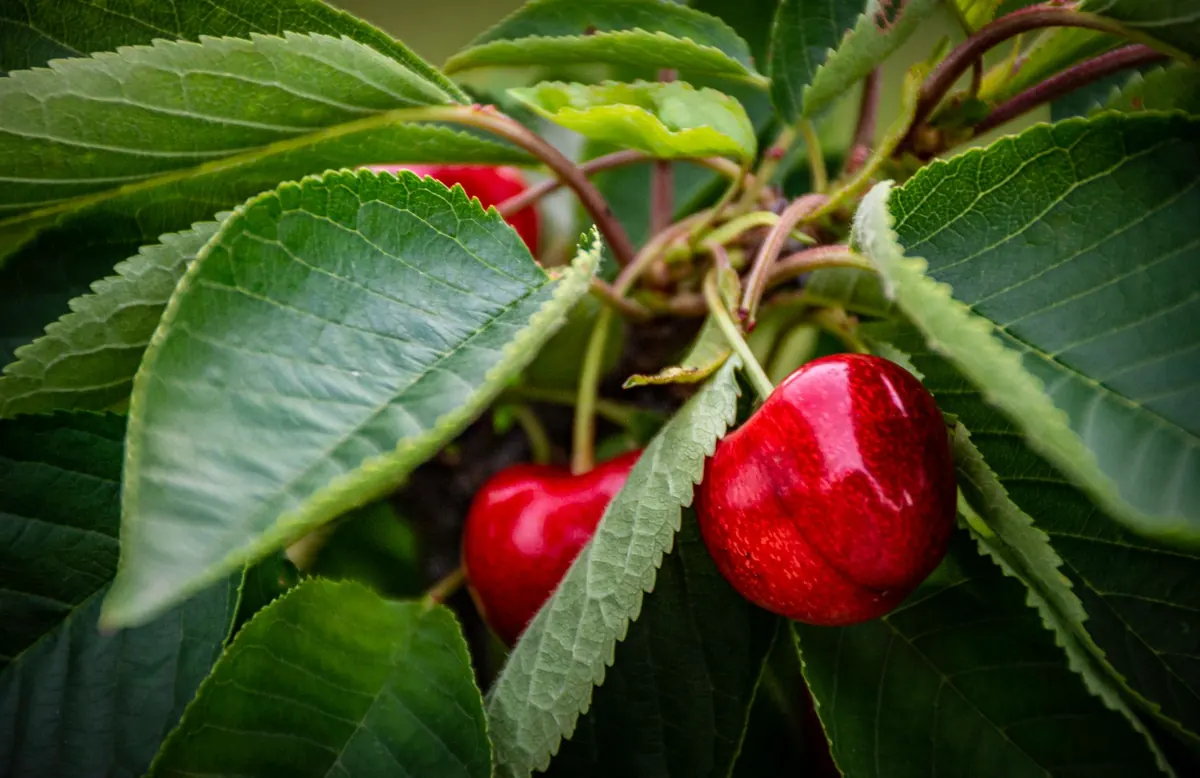
Cherries ripen in June and July, depending on variety and shelter. Sweet cherries need sun and a bird net; without one, you may lose the crop in a morning. Pick with the stalk attached and handle them gently.
Raspberries are the reward of high summer. Summer-fruiting types crop in June and July; autumn-fruiting types start in August and continue into October. A ripe raspberry comes away from the core with almost no resistance. If it crushes in your fingers, it is past its best.
Blackcurrants are ready in July. Wait until the berries are black but dull, not glossy, and leave them a few extra days for fuller flavour. Redcurrants and whitecurrants also ripen in July; they are tart, so use them for jelly and sauces. Blueberries follow from July into August, ready when fully blue and easy to pull. Tayberries and loganberries ripen through July.
Plums start in August and continue into September. Pick when the fruit has coloured fully and gives slightly at the stem end. Damsons are later, usually September, and are best cooked.
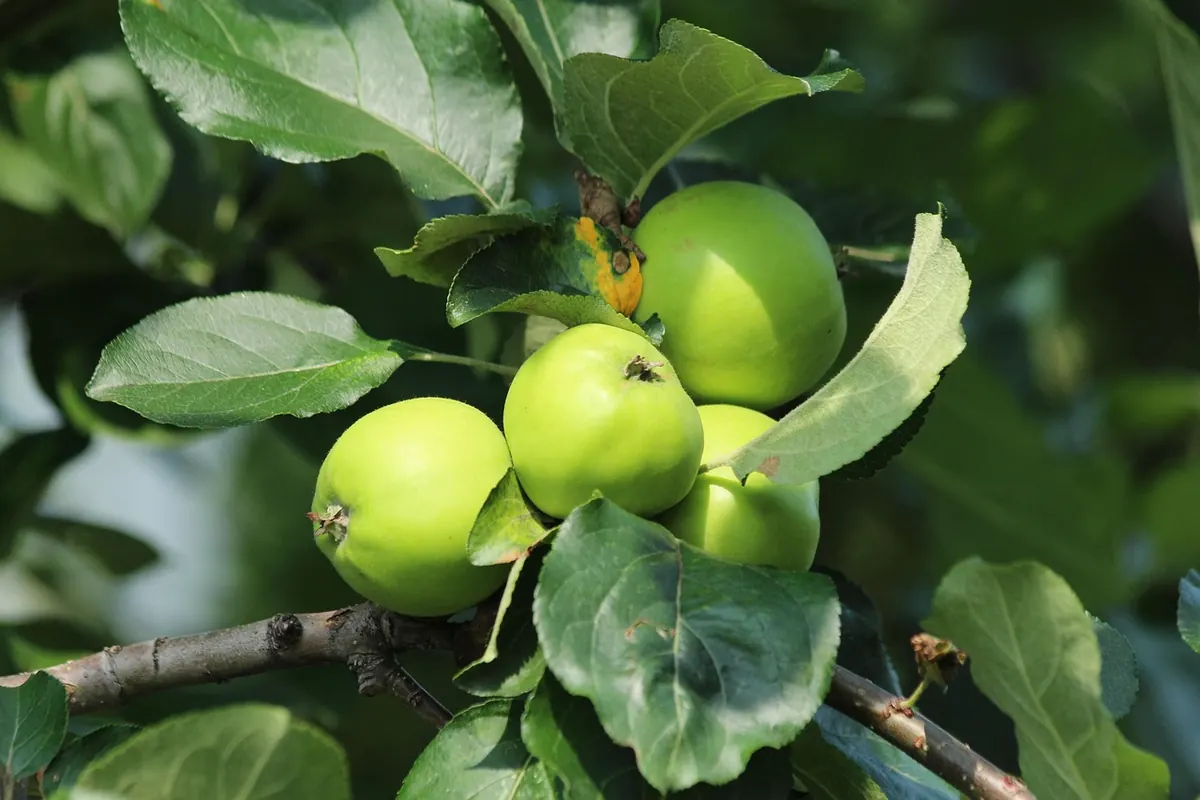
Early apples such as Discovery and Beauty of Bath are ready in August. Use the lift-and-twist test. They do not keep long, so eat them fresh or cook them within a week or two. Early pears may also be ready, but pick them firm and let them ripen indoors.
Wild blackberries ripen from August into September. Pick only the ones that come away easily and are fully black; red or purple berries are sour. In warm, sheltered gardens, figs can ripen in August and September. A ripe fig is soft and droops on the branch.
September and October are the busiest months for UK fruit. Maincrop apples are ready from mid-September through October. Pick them when the stalk separates cleanly, and store only perfect fruit. Bramley and other cooking apples can be picked slightly underripe for storage.
Pears are different: pick them when mature but still firm, before they ripen on the tree. Conference, Comice and other varieties ripen best indoors in a cool room. A pear left too long on the tree turns grainy and brown in the middle.
Quince ripens in October, turning yellow and filling the air with scent. The fruit stays hard, so cook it slowly. Elderberries are ready in September, when the clusters are heavy and dark; they must be cooked before eating. Sloes are picked from October, traditionally after the first frost, for gin and liqueurs. Rosehips and crab apples can be gathered through the autumn for syrup and jelly.
By November, the fresh harvest is mostly over. What remains is the store: apples and pears picked earlier, checked weekly for rot. One bad apple really can spoil the box, so remove any soft or blemished fruit as soon as you see it.
Medlars are ready in late October and November, but only after bletting. Leave them in a cool place until they turn brown and soft, then scoop out the pulp and eat it with cheese or use it in jelly. Sloes can still be picked in November, especially after a frost, which softens them for gin. Rosehips are best after a frost too.
Good picking is half the work of good storing. Handle fruit as if it were eggs; every bruise is a future mould patch. Take a shallow container, pick into the shade and keep the crop cool until you get it home.
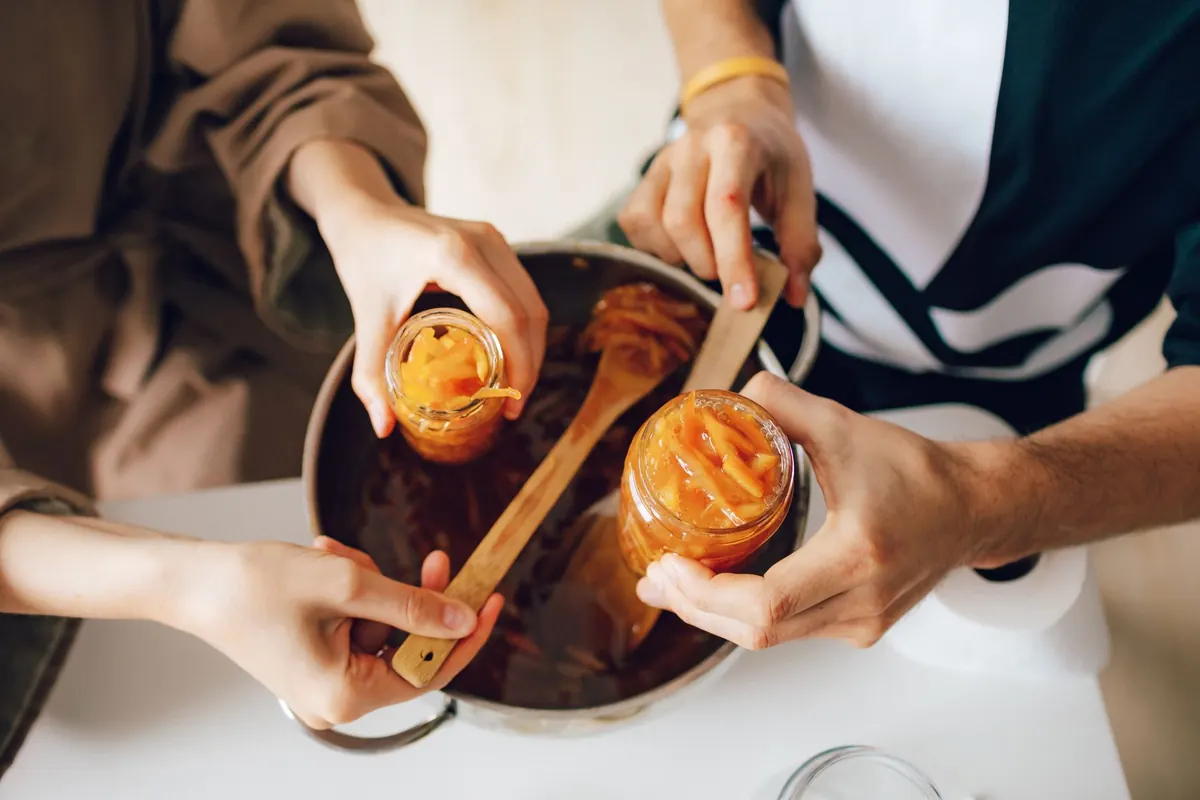
If you are making jams, chutneys or infused spirits, follow a tested recipe and check jars are clean and sterilised. The calendar will shift with the weather, but the fruit itself will tell you when it is ready.
Photo: Zizi zi / Pexels
Previous Post
How to Tell When Pears Are Ripe Without Picking Them Too Early
Next Post
Easy Blackcurrant Jam Without Pectin: A Small-Batch Recipe